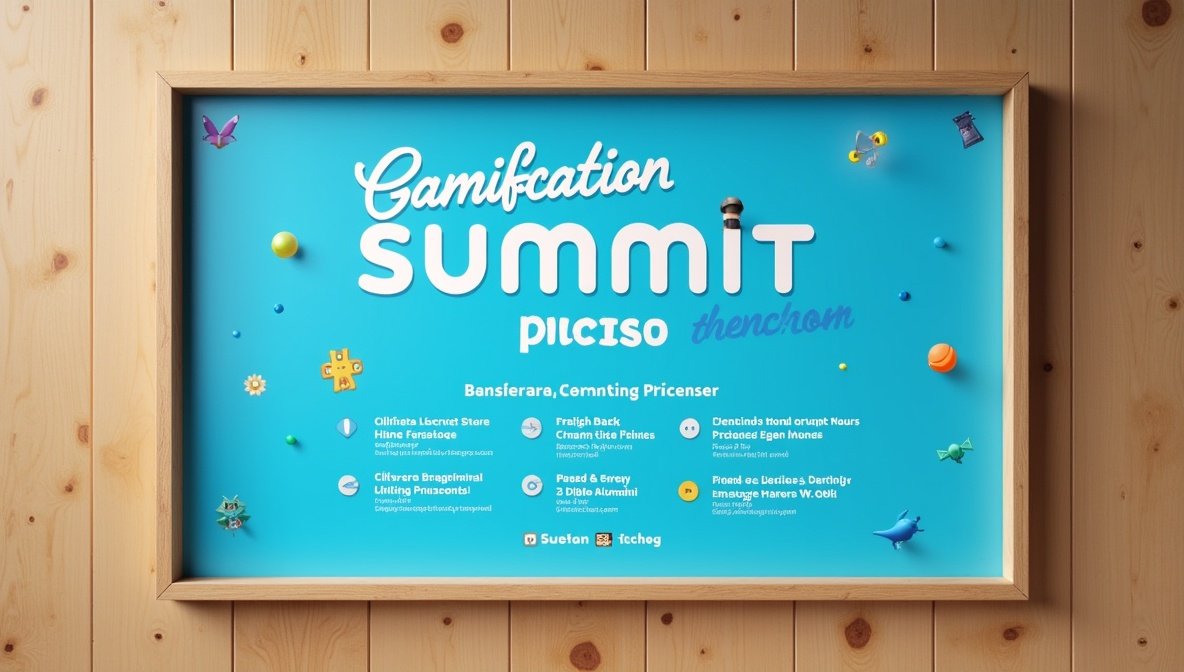
The digital ticketing industry has evolved far beyond simple “buy now” buttons and static checkout pages. Today, event organizers and digital marketers are experimenting with immersive, interactive strategies that transform the ticket-purchasing journey into an engaging experience. This transformation is driven by gamification, a concept that blends game mechanics with real-world business objectives. At the heart of this trend are sites for ticket sales gamificationsummit, which demonstrate how competition, rewards, and storytelling can be integrated into ticketing platforms to increase user engagement and conversion rates.
Gamification has proven successful in industries such as fitness, education, and retail, and its impact on ticket sales is becoming increasingly clear. By encouraging participation, rewarding loyalty, and creating a sense of excitement, gamified ticket platforms offer more than just access to an event; they provide a journey that starts before the event even begins. This article explores how gamification enhances ticket sales platforms, the psychological principles behind it, and how businesses can implement these strategies effectively.
Understanding Gamification in Ticket Sales
Gamification refers to the application of game-like elements such as points, badges, levels, and challenges to non-game contexts. In ticket sales, this means turning the act of purchasing a ticket into a more interactive and motivating experience. Instead of a simple transaction, users feel like participants in a dynamic process.
The psychology behind gamification relies heavily on motivation and reward. Humans are naturally inclined to seek achievement and recognition. When ticket platforms use progress bars, achievement milestones, or limited-time challenges, they tap into this intrinsic motivation. For example, users may earn points for early purchases or unlock special seating options by completing certain actions.
Within sites for ticket sales gamificationsummit, these principles are often demonstrated through real-world case studies and platform prototypes. They showcase how interactive elements can be seamlessly integrated without complicating the buying process.
The Shift from Static to Interactive Platforms
Traditional ticketing websites focus on speed and simplicity. While these aspects are still important, they no longer fully satisfy modern consumers who expect personalized and engaging digital experiences. Interactive platforms add layers of storytelling and progression to the user journey.
For instance, instead of simply listing available tickets, an interactive platform may introduce a themed environment related to the event. Users might explore sections of a digital map or complete small tasks to reveal ticket options. This approach creates anticipation and emotional involvement, which can significantly influence purchasing decisions. feedbuzzard code
By studying sites for ticket sales gamificationsummit, designers and marketers learn how to balance creativity with usability. The goal is not to distract users but to guide them through an engaging path that naturally leads to conversion.
Key Gamification Elements for Ticket Platforms
Several gamification elements have proven particularly effective in ticket sales environments:
- Points and Rewards: Users earn points for actions such as sharing an event or purchasing early. These points can be redeemed for discounts or exclusive perks.
- Leaderboards: Friendly competition encourages users to invite friends or promote events to gain higher rankings.
- Challenges and Quests: Completing small tasks, such as answering trivia related to the event, unlocks special ticket offers.
- Badges and Status Levels: Recognition for loyalty or participation strengthens emotional attachment to the platform.
Each of these elements serves a specific purpose, from boosting engagement to encouraging repeat visits. In sites for ticket sales gamificationsummit, these mechanics are often showcased in action, providing valuable insights into their practical application.
Enhancing User Experience Through Play
User experience is a critical factor in the success of any digital platform. Gamification enhances this experience by making interactions more memorable and enjoyable. When users associate positive emotions with a ticketing platform, they are more likely to return for future purchases.
Playful design also reduces the perceived effort of buying tickets. Instead of feeling like a task, the process becomes a form of entertainment. This is especially important for events targeting younger audiences who are accustomed to interactive digital environments.
Platforms highlighted in sites for ticket sales gamificationsummit often demonstrate how playful elements can coexist with professional design. Clear navigation, secure payment systems, and responsive layouts ensure that fun does not compromise functionality.
Data-Driven Personalization
Gamification generates valuable data about user behavior. By tracking which challenges users complete or which rewards they prefer, platforms can personalize future interactions. This data-driven approach allows ticket sellers to recommend events or ticket packages that align with individual preferences.
Personalization increases relevance and reduces friction. For example, a user who frequently participates in loyalty challenges may receive early access to new events. This creates a sense of exclusivity and appreciation, strengthening customer relationships.
Insights shared through sites for ticket sales gamificationsummit emphasize the importance of using analytics responsibly. Transparency and respect for user privacy are essential for maintaining trust while leveraging behavioral data.
Marketing Advantages of Gamified Ticketing
From a marketing perspective, gamification amplifies word-of-mouth promotion. Leaderboards and social challenges encourage users to share their progress with friends, effectively turning customers into brand ambassadors.
Seasonal campaigns and limited-time challenges also create urgency. When users know that a reward or special offer is available for a short period, they are more likely to act quickly. This tactic is particularly effective for concerts, sports events, and conferences where demand fluctuates.
By observing strategies presented in sites for ticket sales gamificationsummit, marketers gain inspiration for designing campaigns that blend entertainment with promotion.
Technical Foundations and Platform Design
Behind every successful gamified platform lies a robust technical framework. Developers must ensure that game mechanics integrate smoothly with ticketing systems and payment gateways. Reliability is crucial; any technical issue can disrupt the user experience and reduce trust.
Scalability is another important factor. Popular events can generate high traffic, and gamified features should enhance, not hinder, performance. Cloud-based infrastructures and modular design help maintain stability during peak demand.
Examples from sites for ticket sales gamificationsummit often highlight how technical architecture supports creative concepts. This balance between innovation and stability defines successful implementations.
Ethical Considerations and Responsible Design
While gamification offers many benefits, it also raises ethical questions. Designers must avoid manipulative practices that pressure users into making impulsive decisions. Transparency about rewards and odds is essential to prevent misunderstanding or frustration.
Responsible gamification focuses on empowerment rather than exploitation. It should encourage informed choices and respect user autonomy. For example, offering optional challenges rather than mandatory steps ensures that users retain control over their experience.
Discussions featured in sites for ticket sales gamificationsummit frequently address these concerns, promoting ethical standards and best practices within the industry.
Long-Term Value and Customer Loyalty
Gamification is not just a short-term marketing tactic; it can be a long-term strategy for building loyalty. By continuously introducing new challenges and rewards, platforms maintain interest and encourage repeat visits.
Loyalty programs integrated with gamification create a sense of progression. Users feel that each interaction brings them closer to a goal, whether it is a discount, exclusive access, or recognition within the community.
Insights drawn from sites for ticket sales gamificationsummit show that sustained engagement depends on variety and creativity. Repetitive mechanics lose their appeal, while evolving experiences keep users invested.
Future Trends in Gamified Ticket Sales
As technology advances, gamification in ticket sales will become more sophisticated. Virtual and augmented reality may soon allow users to preview venues or experience parts of an event before purchasing a ticket. Artificial intelligence will further enhance personalization by predicting user preferences and adjusting challenges accordingly.
Blockchain-based reward systems could also emerge, offering secure and transferable digital assets as incentives. These innovations will redefine how audiences interact with ticketing platforms.
The future envisioned through sites for ticket sales gamificationsummit suggests a shift toward immersive, community-driven ecosystems where purchasing a ticket is just one part of a larger interactive experience.
Conclusion
Gamification has the power to transform ticket sales from a routine transaction into an engaging journey. By applying game mechanics thoughtfully, platforms can increase participation, strengthen loyalty, and differentiate themselves in a competitive market. The integration of interactive design, data-driven personalization, and ethical responsibility ensures that these strategies benefit both businesses and users.
As demonstrated by sites for ticket sales gamificationsummit, the combination of technology and creativity opens new possibilities for event commerce. The challenge lies in maintaining balance: keeping the experience fun without compromising clarity, and driving sales without sacrificing trust.
Ultimately, the success of gamified ticket platforms depends on understanding human motivation and designing experiences that resonate emotionally. When users feel entertained, valued, and empowered, ticket sales become more than a purchase; they become part of a story that begins long before the event itself.